
Cotswold Lakes Trust Nature Blog
Donate
Membership
Volunteer

Ever wondered what a ranger’s life involves? Cotswold Lakes Trust's Head Ranger Kieren Thomas leads us through a typical working week and explains some of the science that is the basis of everything we do on our nature reserves.
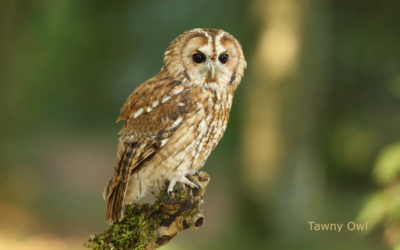
Long winter nights are the best time to get out and hear the iconic calls of Tawny Owls. But is it “twit woo-hoo” or “woo-hoo twit”? Richard Mundy, Cotswold Lakes Trust's Nature Recovery Officer is out in the woods listening.

Insect Week is an annual celebration of all things insect organised by the Royal Entomological Society, for more information go to www.insectweek.org. Richard, our Nature Recovery Officer and a big insect fan, talks about the dragonflies and damselflies of the Cotswold Lakes and discusses the reasons why this is such a good area for a wide range of these insects.

At this time of year one of the commonest birds around garden feeding stations is the Goldfinch and, as finches feed mostly on seeds, sunflower or niger seeds are most likely to attract them. They are considered a common bird in the UK, with recent estimates suggesting that about 1.2 million ...

If you walk around the Cotswold Water Park, it is likely that you notice egrets feeding around lake margins and flooded fields. Until recent years these will nearly all have been Little Egrets, pure white, with black bill and much smaller than Grey Herons. But things have changed; Great White ...

Lesser Emperor dragonflies were unknown in the UK until 1996, but have gradually colonised the country since then, with global warming the most likely reason. The first definite sighting in the Cotswold Water Park occurred in 2006, however until the last 2 or 3 years encountering this species ...
No results found.