
Conservation
Donate
Membership
Volunteer

© Andy Rouse
Cotswold Lakes Trust works with a variety of people to ensure that nature conservation and wildlife are integrated into the current and future development of the Cotswold Lakes.
We work towards creating new nature reserves and at the same time making sure we get the best deal for wildlife from built development, mineral extraction and the provision of sports and recreation.
© Dave Kilbey
Why the Cotswold Lakes wildlife is special
Lying at the head of the Thames Valley, the mosaic of habitats in the Cotswold Lakes has created one of the biodiversity hotspots of the South-West, and an important wetland corridor.
The Cotswold Lakes hosts internationally important numbers (20,000+) of wintering water birds and nationally important winter populations of Pochard, Gadwall, Coot and Great Crested Grebe. 177 lakes in the CWP are now designated as a Site of Special Scientific Interest (SSSI) for their importance to breeding birds, wintering birds, and aquatic plants.
Between the gravel workings and established lakes there are numerous unimproved wildflower meadows of which two are designated as Special Areas of Conservation (SACs). There are several limestone rivers and streams (including the Churn, Coln and Leach) running through the Cotswold Lakes into the River Thames. These rivers and streams support healthy fish populations, as well as Otter, Water Vole and Kingfisher.
Alongside the constant demand in the Cotswold Lakes for more mineral extraction, there has always been tremendous commercial pressure for business developments – including water sports, recreational developments, second homes, hotels and holiday complexes. Partly in response to this pressure, the Cotswold Water Park Biodiversity Action Plan was developed in 1997, and further revised in 2007. This is a working document, and helps steer habitat improvements in response to local and national targets.
Key Facts
- Internationally and nationally important for wintering wildfowl
- Nationally important for breeding birds such as Great Crested Grebe and Little Ringed Plover
- Up to 200 species of bird visit the Cotswold Lakes each year
- A thriving Otter population and expanding Water Vole numbers
- Regionally important dragonfly numbers
- Home to 14 out of the 18 UK species of bat
- 177 lakes in the Cotswold Lakes are now designated as a Site of Special Scientific Interest (SSSI) for their importance to breeding birds, wintering birds, and aquatic plants
- Six wildflower meadows are also designated SSSIs
- A large population of Great Crested Newts
- Several species of rare stonewort thrive in the freshwater lakes
Cotswold Lakes Species Check List
Cotswold Lakes Trust has published an updated species checklist for the birds, mammals, butterflies and dragonflies of the Cotswold Lakes. The first such checklists to be produced since 2000, they have been updated and added to. For the first time, a mammal checklist has been produced, which includes all bat species recorded in the Cotswold Lakes to date. These have been produced in response to requests from the public as part of the ongoing efforts of the Trust to encourage and support local and visiting naturalists.
Download the Cotswold Lakes Trust Species Checklist and use it as a general guide to what can be seen in the Cotswold Lakes throughout the year, or as a recording sheet for species sighted – please do send in any sightings as we would love to hear from you!
Click on the boxes below to discover more of the wildlife in the Cotswold Lakes.


Cotswold Lakes Trust Rangers work throughout the year to manage and maintain a number of public access sites across the 42 square miles of the Cotswold Lakes.
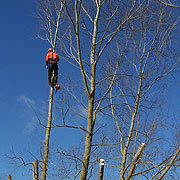
The Ranger Team
Our small but effective team of rangers and volunteers work all year round to maintain the following sites for the benefit of local residents, visitors, and the wildlife that inhabit them. Regular duties include footpath maintenance, habitat management, coppicing, bank repairs, safety inspections, litter picking, invasive species control, tree planting, hedgelaying, and much more.
- Cleveland Lakes & Waterhay Reedbeds
- Shorncote Reedbeds
- Neigh Bridge Country Park
- Old Railway Line
- Cokes Pit Local Nature Reserve
- Riverside Park
- Clayhill Meadow
- 6 car parks and picnic sites
- and more than 50km of footpaths…
Just some of the jobs that the rangers carry out….
- Pond creation
- Control of non-native species
- Tree safety surveys
- Hedgerow planting and hedgelaying
- Woodland/scrub planting and management
- Maintenance of Thames Path National Trail
- Wetland habitat management
- Installation of nest boxes
- Fencing
- Coppicing, pollarding and felling
- River corridor enhancement
- Public amenity maintenance
- Wildlife survey and monitoring

Volunteer Rangers
The Trust runs a regular group of conservation volunteers, approximately twice a month throughout the year. Our work parties include a range of tasks such as coppicing, reedbed management, hedgelaying, surveying and footpath maintenance, and are usually carried out on one of our nature reserves. However, these are just a few of the things we do, and jobs can vary depending on the great British weather!
Volunteers must be over the age of 18. We tend to work out in most weathers, so it’s advisable to come prepared with waterproofs, sturdy boots or wellies, and the all-important packed lunch.
For more information or to let us know you will be coming along to the next work party, please send us an email on info@cotswoldlakestrust.org