
Mammals
Donate
Membership
Volunteer
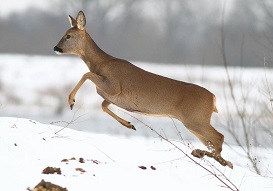
The Cotswold Lakes is home to many of the UK’s mammal species, including Roe Deer, Badger, Polecat, Brown Hare and Harvest Mouse. In addition, the Cotswold Lake’s unique landscape lends itself rather well to supporting thriving colonies of aquatic specialists such as Otter, Water Vole, Water Shrew and more recently the Beaver!
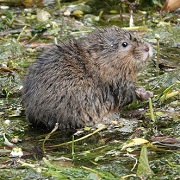
Water Vole
The Water Vole has recently been cited as the UK’s fastest declining mammal species, with numbers down by 90% in the last 25 years. This has largely been due to habitat degradation and predation by the non-native American Mink. The Cotswold Lakes Water Vole Recovery Project has been running since 2002, and focuses on surveying the extent of Water Vole populations in the CWP, and eradicating the American Mink. Numbers of mink have been on the decline since the project’s inception, and 2011 saw the first mink-free year. However, we remain vigilant, and during the flooding of 2012/13, we began to see individuals keen to escape swollen rivers and set up territory in the Cotswold Lakes. These have been successfully removed as in previous years, and as a result of the efforts of Trust staff and volunteers, Water Vole numbers have stabilised and are increasing on some stretches of river.

Otter
After reaching near extinction in the 1960s/70s, otters have recently been making a comeback on the UK’s rivers. The Cotswold Lakes supports healthy numbers of this keystone species, partly due to the ease with which they can navigate between watercourses by utilising lakes. A healthy Otter population is also an indication that our rivers are in recovery, with fish numbers on the increase.
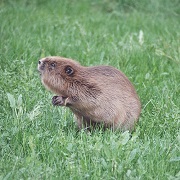
Beaver
Native to Britain, the Beaver became extinct by the 17th century due to over hunting. Their fur was highly prized, along with their “medicinal” castoreum glands. These glands actually store Salicylic acid (Aspirin) which the Beaver accumulates from all the willow bark that it consumes.
In October 2005, 6 Beavers were released into an enclosed lake at Lower Mill Estate in the Cotswold Lakes. They have thrived in this environment and continue to be studied closely to monitor their effects on their surroundings.
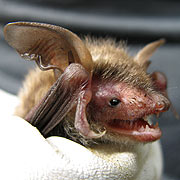
Bats
With its rich array of rivers, lakes, fields, hedgerows and trees, the Cotswold Lakes provides ideal habitat and foraging opportunity for many species of bats. So far, 14 out of the 18 UK bat species have been recorded here, and monitoring studies are carried out regularly to try and gain a better understanding of their use of this unique landscape. The Trust’s conservation work focuses heavily on providing habitat enhancements for these highly specialised mammals.
Cotswold Lakes Bat Project
In spring 2005, the meeting of several interested parties from Gloucestershire and Wiltshire Bat Groups and the Cotswold Water Park Society (now Cotswold Lakes Trust) lead to the launch of the Cotswold Lakes Bat Initiative, part of the Cotswold Water Park Biodiversity Action Plan (CWP BAP). Since 2005 an enormous quantity of bat survey and monitoring was undertaken across the Lakes, by a large number of volunteers. Over 250 bat boxes of various designs are monitored several times per year each year; numerous bat roosts are monitored annually through emergence surveys, with several new roosts being found each year. Mist netting surveys (undertaken under the appropriate Natural England licence) are frequently employed to gain further information on the bats using specific sites, whilst radio-tracking studies commenced in 2010. Working with local landowners, lake-owners, developers and mineral companies, numerous surveys have been undertaken and opportunities for bats on specific sites maximised, through for example, creation of bat houses, habitat creation and enhancement of commuting routes. Local communities have supported the project by supporting surveys of farmland, churches, bridge structures etc. This is a true community project. The Cotswold Lakes Bat Initiative has a series of long term aims:
- Continue to find and study new bat roosts each year in the Cotswold Lakes.
- Maintain a database of records and data and share annually with the county records centres (WSBRC & GCER).
- Provision of training for future potential bat workers.
- Education and co-operation with the local community and other interested parties.
- Establish a flagship study for the Cotswold Lakes on a species characteristic of the area, for example Daubenton’s Bats.
CWP Bat Atlas – download CWP Bat Atlas (PDF 5mb).


